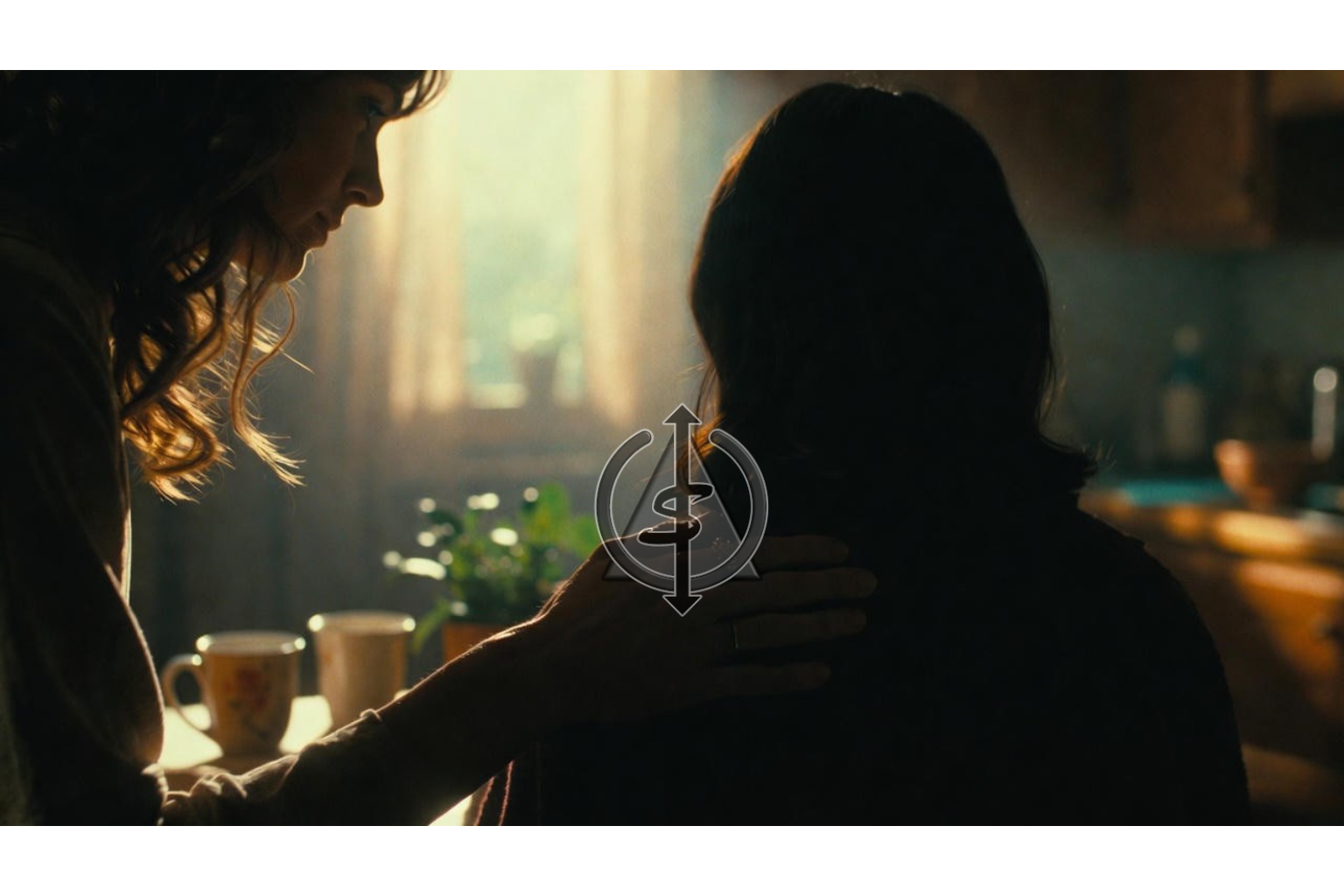
"Sometimes the person who didn't protect you causes more damage than the person who hurt you."
Have you ever realized the person who haunts you most is not the one who hurt you, but the one who watched and did nothing? That quiet betrayal can feel heavier than the original harm.
Most conversations about trauma focus on the person who did the obvious damage. The abuser. The bully. The partner who crossed the line. But many people discover, often in therapy, that the deepest wound is not the harm itself. It is the memory of the person who could have stepped in, could have protected them, and chose not to.
When you are a child, you believe the people who are supposed to love you will keep you safe. Your nervous system is wired around that expectation. So when a parent, caregiver, or trusted adult looks away, minimizes, or stays neutral, your body receives a clear message. Your safety is negotiable. Your pain is tolerable. You are on your own. That message can echo for years.
Healing from enablers is so confusing because they often appear “kind” on the surface. They may have provided, checked in occasionally, or said they loved you. They may even say now, “I did the best I could.” But your body remembers the nights they heard the yelling and did nothing. The times they told you to be nice, be quiet, forgive, or not make things worse. The times they protected the peace of the household instead of the child in it.
This creates a split inside you. Part of you still craves their approval, their warmth, their presence. Another part is furious that they did not choose you when it really counted. You might feel guilty for being angry at them because “they never hit you” or “they had it hard too.” So you turn the anger inward and call yourself ungrateful, dramatic, or unforgiving. That is how the damage of enabling continues long after the original situation is over.
Healing this wound starts with telling the truth. It was not okay that they stayed silent. It was not okay that they protected the relationship, reputation, or comfort of the person who hurt you more than they protected you. Naming this is not about demonizing them; it is about finally validating you. Your younger self deserved action, not excuses.
From there, you can begin to grieve the protector you never had. Grief here is not a sign you are stuck in the past. It is how you release the fantasy that one day they will finally show up the way you needed them to. As you grieve, you make space to become that protector for yourself now, to build boundaries, choose safer people, and refuse to abandon yourself the way others once did.
You may never get the apology or accountability you deserved. But you can still repair the damage by believing your own story, honoring your anger, and choosing relationships where silence in the face of harm is not an option. That is what healing from enablers really looks like. It is not about punishing them. It is about finally choosing you.