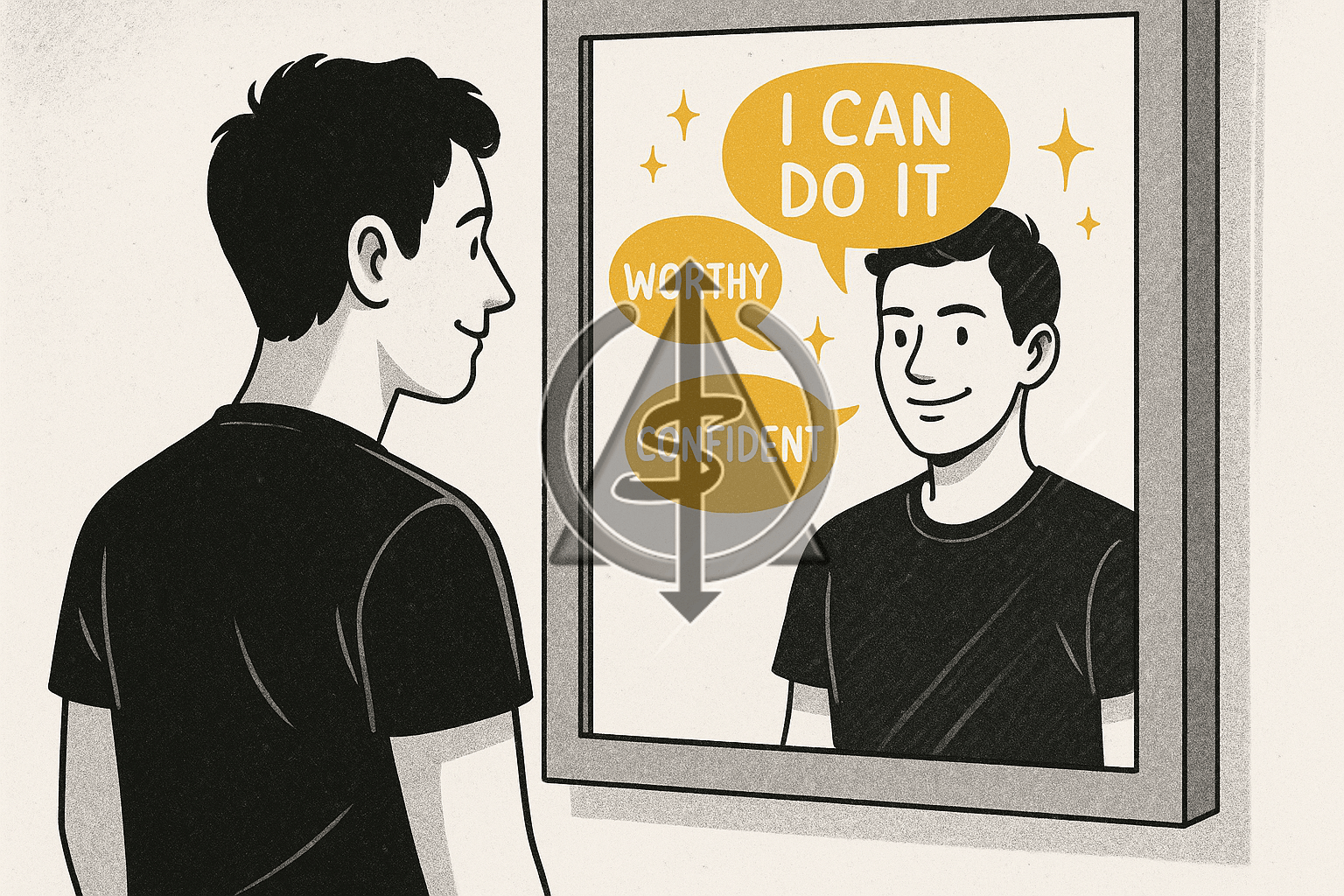
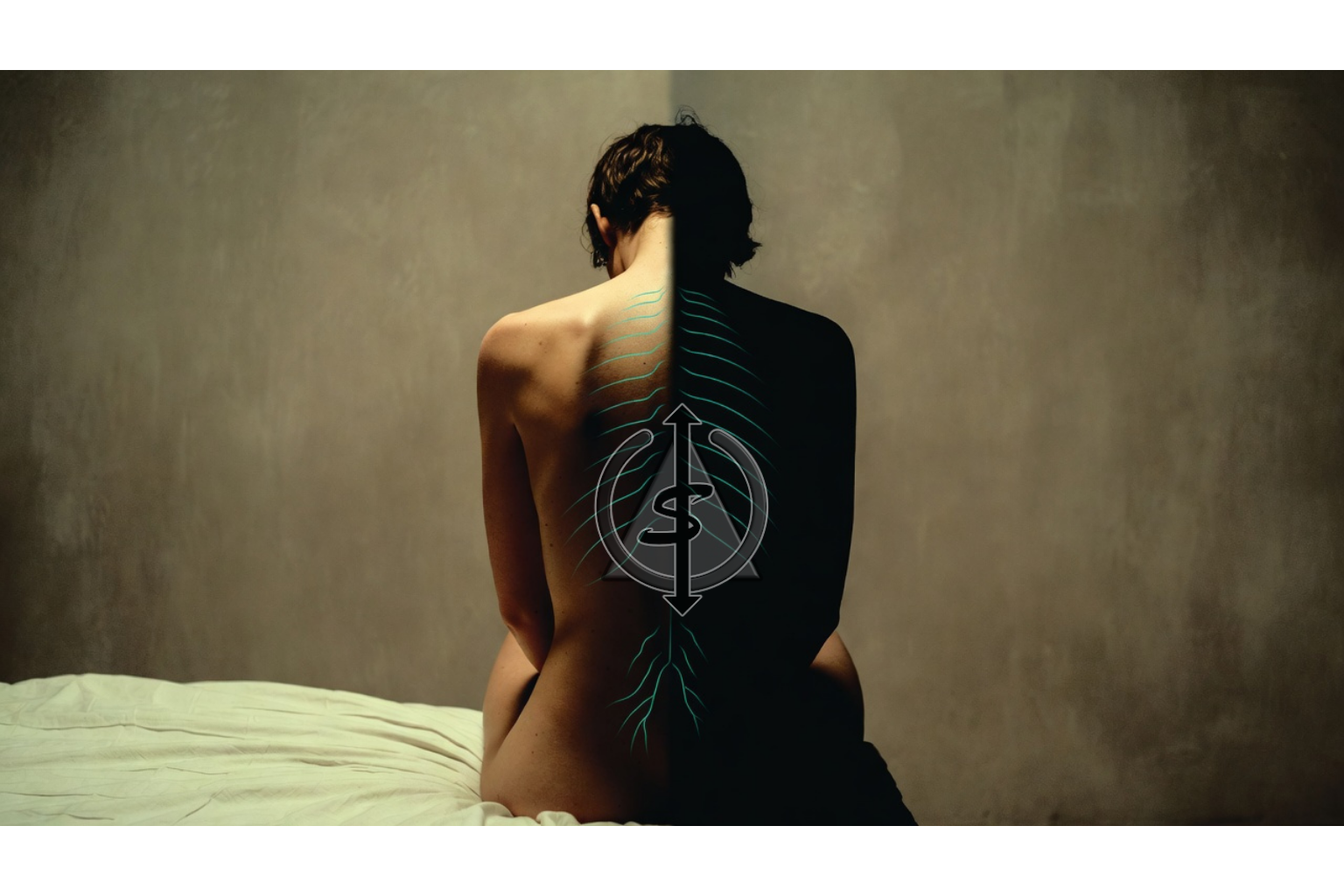
"Your new life is going to cost you your old one. It is supposed to."
There is a version of you that cannot come with you into your next chapter. The grief you feel as people, patterns, and places fall away is not a sign you are on the wrong path. It is evidence that you are actually moving.
No one talks enough about the part of growth that feels like loss. You start healing, setting boundaries, or raising your standards, and suddenly you are lonelier than before. Rooms that used to feel comfortable start feeling heavy. Conversations that used to entertain you now drain you. It is easy to mistake this discomfort for a sign that you are doing something wrong. In reality, it often means you are finally doing something different.
Your new life is going to cost you your old one because the version of you that tolerated certain things is not the same version who is learning to choose differently. The you who said yes to every request, laughed off every disrespect, and stayed in every lukewarm situation cannot walk with you into a life built on self respect. Parts of your identity were built around who you needed to be to survive those old rooms. Letting them go feels like death, even when it is the beginning of something better.
This cost shows up in very practical ways. You might lose friendships that were held together by mutual complaining instead of mutual growth. You might outgrow a job that once felt impressive but now requires you to abandon yourself to keep the peace. You might realize that your coping mechanisms, from overworking to people pleasing, do not fit who you are becoming. Each of these shifts asks you to give up familiarity for alignment. That trade rarely feels clean or glamorous.
Your brain is wired to equate “familiar” with “safe,” which is why your old life can feel tempting even when it was slowly shrinking you. On hard days, you might catch yourself romanticizing what you left, forgetting how small you had to make yourself to stay there. This is normal. Growth is not a straight line. It is a series of decisions to choose what supports your future self over what soothes your fear in the moment.
The point is not to pretend you are not grieving. You are. You are grieving old versions of yourself, old dynamics, old dreams that were built on who you thought you had to be. Let yourself feel that loss without assuming it means you should go back. The discomfort is part of the cost. Your new life will ask you to release people who only knew the unhealed you, habits that kept you numb, and identities that were built around survival. The reward is a life where you no longer have to abandon yourself to belong.